As a homeowner or building owner, it is only logical to wonder about what is in the walls. Asbestos is often a source of concern and there are certain signs that can help us detect its presence in our homes. The following article will give you the facts onthe subject by allowing you to spot the signs of the presence of asbestos in your home and will give you information on the potential impact of this material on your health and that of your loved ones
What is asbestos?
Asbestos is a material that has been widely used in many areas of construction throughout the 20th century because of its unique properties, including its resistance to heat and fire. However, it has been found that exposure to asbestos can lead to serious health problems, including asbestos-related cancers (mesothelioma) that affect the lining of the lungs or the organs in the abdomen. It is therefore important to know how to spot the first signs of asbestos to act quickly and protect your health. Here are some clues that can help you detect the presence of asbestos in your environment:
Clues to the presence of asbestos
Asbestos comes in the form of microscopic fibers that are difficult to see with the naked eye. Asbestos comes in the form of microscopic fibers that are difficult to see with the naked eye. However, you can look for materials that look friable or damaged, as they maybe more likely to release asbestos fibers into the air.If your home or building was built before the 1980s, there is a good chance that asbestos was used in its construction. Asbestos was widely used in buildings, especially between the 1930s and 1990s. Asbestos can be found in many places and was used in many building materials, such as gypsum board, flooring and wall coverings, roofing tiles, heating and cooling panels, pipes, and electrical conduits. If you have such materials in your home or building,they may contain asbestos.
Asbestos during renovation
If you are renovating your home or building, be careful when removing building materials. If you discover asbestos, stop work immediately and contact a qualified professional to handle the removal of the asbestos safely. Do not attempt to remove asbestos alone. f you suspect asbestos is present in your environment, it is important not to touch or handle the suspected materials and to immediately contact a qualified professional to perform an asbestos exam. Asbestos removal must be done by qualified professionals who have the expertise and equipment to do the work safely.
Asbestos is a product that can cause you concern, but there are solutions to get rid of it safely. Don’t hesitate to contact professionals if you have any doubts. They will be happy to help you make the best decisions.
There are many pollutants in our homes that can affect our indoor air quality, which is even more important in winter since we spend more time indoors. Think of dust, mold, certain materials that can give off harmful fumes, household products, etc. These pollutants corrupt the quality of the air in the house. The following article will give you some tips on how to clean up the atmosphere and improve your indoor air quality this winter. This will allow you to breathe freely.
Pay attention to the level of humidity in your home
It’s a fact that excessive humidity levels lead to the growth of dust mites, mold and bacteria. So, you need to be aware of the humidity level in your home. There are a few things you can do to reduce the humidity level. For example, run the range hood when you cook, turn on the bathroom fan when you shower, and dry up any water spills as quickly as possible. If you think the humidity inside your home is very high, avoid hanging laundry inside and install an air conditioner. You can also use a dehumidifier.
Remember to ventilate rooms
If you have a centralized ventilation system, i.e. an air exchanger, turn it on. If you don’t have one, remember to open the windows for a few minutes, even in winter. Mornings are the best time to do this since outdoor pollutant levels are at their lowest. However, keep the air exchanger or windows closed during smoggy periods or if the humidity level outside is very high.
Maintain your ventilation equipment properly and regularly
It is well known that dust and debris can accumulate in the ducts which has an impact on your indoor air quality. To reduce pollutant levels, change or clean filters regularly, and remember to drain standing water from air conditioners. It is also important to have ventilation ducts cleaned every five to ten years by an expert in this type of work.
Clean often
This may seem like a basic tip, but it’s important. Remove as much dust and allergens as possible by vacuuming regularly, ideally with a Hepa filter. Hepa filters collect most of the polluting particles. Frequent dusting with a simple damp cloth will also save you from many allergens. Avoid chemical perfumes and use essential oils instead.
Do not hesitate to contact professionals if you are looking for advice on how to maintain your home effectively. They will be able to guide you and suggest the best practices to benefit from a healthy air inside your home. You will be able to enjoy the warmth of your home with peace of mind knowing that the air you breathe is free of pathogens and other pollutants.
Winter is upon us and so is the cold. We all want to feel comfortable in our homes during this cold period, but is there an ideal temperature? How to maintain thermal comfort without blowing up your electricity bill? The following article will attempt to shed some light on this by giving you some tips on how to get through the winter in a comfortable manner.
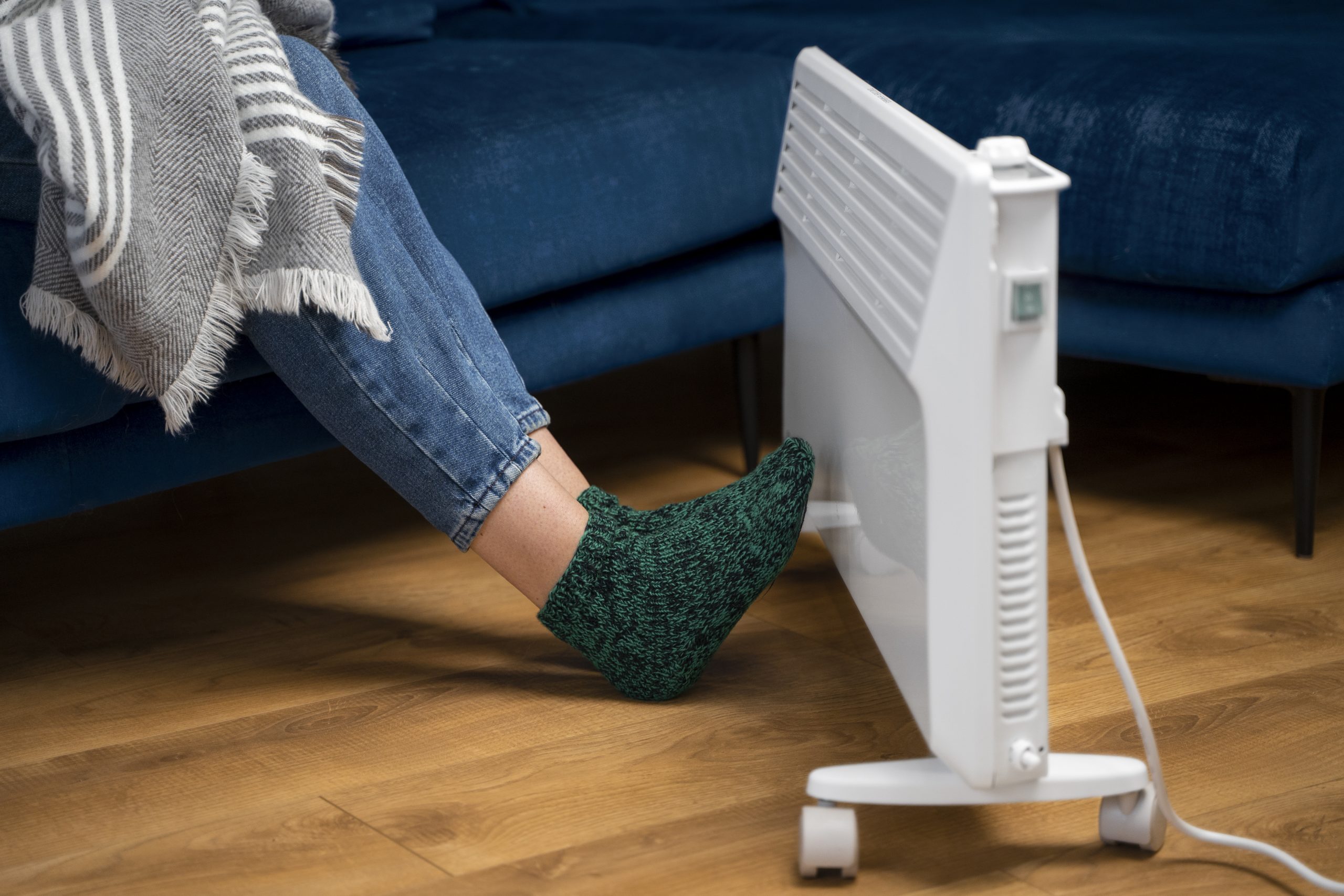
What is a comfortable temperature?
How do we define the feeling of comfort? In general, we feel comfortable when the ambient conditions allow us to maintain a normal internal temperature. In other words, the ideal temperature is when we do not feel too hot or too cold. Other factors also come into play when we talk about comfort. The relative humidity level, for example, plays a determining role in the well-being and health of the occupants and in maintaining a healthy environment. The presence of drafts in a house can also greatly reduce our comfort in cold weather.
The ideal temperature
Usually, a temperature between 20°C and 23°C guarantees comfort. Obviously, the feeling of comfort is personal to each person and differs from one person to another, but it is in this zone that people generally feel comfortable. It is also recommended that a constant temperature be maintained in all rooms used. Elderly people can tolerate a higher temperature due to their slower metabolism. . However, beware of people with heart problems. They should not be in a room where the temperature is too low to prevent a rise in blood pressure.
Energy efficiency
It is possible to ensure good thermal comfort without increasing your electricity bill too much in winter. For example, you can lower the temperature by a few degrees at night or when no one is home. By using electronic thermostats, you can manage the heating with more precision. They maintain the desired temperature to within a tenth of a degree. Also pay attention to the insulation of your home. Air leaks also increase your energy bill unnecessarily.
Maintain a good humidity level
During the winter, the air is usually the driest and the relative humidity inside your home should not be below 30%. Air that is too dry can cause discomfort, mucous membrane irritation and even breathing difficulties. A rate between 35% and 50% is ideal to ensure comfort while avoiding the development of mold. Air circulation must also be easy, so remember to have your ducts cleaned to allow your heating system to work efficiently.
Don’t hesitate to call on specialists who can advise you on this point. This will help you have a comfortable winter while keeping your energy costs down.
The beautiful season is coming to an end and autumn is already giving us signs that are difficult to ignore with its colours in the trees. With cooler temperatures, we will necessarily be indoors more often. In addition, doors and windows may be closed more often and therefore there will be less natural ventilation. This is the perfect time to think about cleaning your ventilation system. The following blog post will give you information on the best time to clean your ventilation system in order to enjoy the best possible air quality and increased performance.
A matter of air quality
During the winter, your house breathes mechanically. That is to say, you can no longer take advantage of the fresh air outside to refresh and sanitize your home. The air you breathe then is carried, spread or evacuated through a network of ducts. We are talking here about air exchangers, heat recovery ventilators (HRVs), forced air heating systems, bathroom fans or even range or dryer hoods. It’s a good idea to ask yourself if all these ducts are clean. After all, it is through them that the air circulates that you and your family will breathe all winter long when you are well bundled up inside. It is therefore above all a question of air quality.
Cleaning steps
In the case of forced air heating systems, they have return ducts and this is often where dust collects. The first step to cleaning them is to introduce a vacuum cleaner hose after attaching a brush. In most cases, this type of cleaning should suffice. If your home is home to multiple pets, you may need a beefier household. If a deeper cleaning is needed, then it should be done by professionals. They have the equipment required to properly polish the pipes. As for air exchanger ducts and HRVs, whether flexible or rigid, they can only be cleaned using specialized equipment. So you won’t be able to do the job on your own. Indeed, this type of conduit is winding and sometimes passes through places that are difficult to reach. In addition, they are rather fragile and therefore require special attention that only professionals can give them. If these flexible ducts have been overstretched, note that you may need to replace them.
When to clean
Fall is a good time since it precedes winter and therefore cleaning will allow quality air to circulate in your home for the cold season. As mentioned above, if your family is large or you have several animals that lose their hair, it is very likely that you will have to do a good cleaning more than once a year. In any case, if you doubt the cleanliness of your ventilation ducts, do not hesitate to contact professionals who can make the correct diagnosis and properly clean your ventilation system. They will also be able to make recommendations for reducing the levels of dust and particles in your ducts. You can then enjoy healthy air all winter long.
We don’t always think about it when we think about the air quality inside our homes, but ventilation ducts are very important to ensure that we have clean air in our homes. It is, after all, a health issue that has been ever more present in our minds since the Covid-19 pandemic. Indeed, the air from your heating and air conditioning system circulates everywhere, you breathe air that is constantly renewed. It is therefore essential to pay particular attention to it in order to ensure that you breathe the purest air possible. The following article will give you information on air duct cleaning and why it is so important.
Why have your air ducts cleaned?
A cleaning done by professionals will eliminate the dust that invariably ends up in the ducts and then settles on all the surfaces of the house. A thorough cleaning of the ventilation ducts will keep your home clean all year round. You will have much less need to dust furniture and other surfaces which are an important advantage especially if you or a member of your family have allergies. Moreover, certain harmful contaminants and microorganisms can accumulate in the ducts such as animal dander, bacteria, pollen, mould and other similar toxins. It is therefore a vector of propagation that can harm the most sensitive people. Since the pandemic, we know that adequate ventilation helps protect our health and reduce the spread of the virus. Dirty ducts increase the level of airborne particles and decrease the quality of your indoor air. Dust and pollutants that enter your body through your nose and into your lungs often cause sneezing, coughing, sinus congestion, and bronchial congestion.
Avoid bad odors
Pets, household cleaners, paint fumes, mould, tobacco smoke, certain foods can cause unpleasant odours in your home. Ventilation ducts allow them to spread throughout the house. Moreover, the appearance of a musty smell coming from the ducts is an unmistakable sign that there is an accumulation of dust and dirt in them. A thorough duct cleaning by professionals will eliminate this problem quickly and effectively.
Make air circulation more efficient
Once your system is clogged, the air circulates with much more difficulty. This puts undue pressure on your system which will have to work harder to achieve the same result and its efficiency will be degraded. A clean system will restore your system to full efficiency and reduce your energy bills at the same time.
If you are concerned about the quality of the air inside your home, do not hesitate to contact professionals. In addition, with the cold season coming up and the Covid-19 virus still circulating, a good cleaning will give you peace of mind and quality air to reduce the possibility of contamination.
The quality of our indoor air is a recurring concern for most owners (and even tenants). Certain things can be put in place to greatly improve your air quality. The following article will give you 5 quick and easy cleaning tips to ensure the air quality in your home.
- Vacuum everywhere
The vacuum cleaner is not just for cleaning floors. It can also be useful for cleaning other surfaces from top to bottom, so that dust particles are sucked directly into the filter instead of remaining suspended in the air and affecting its quality. In addition to vacuuming dirt directly on your furniture (including fabric furniture like the sofa), use a soft bristle brush for mouldings, walls, window sills and coverings, including curtains, blinds and baseboards. This simple practice will eliminate dust and dander that have a significant impact on air quality. Don’t forget to change the filter or empty the tank of your vacuum cleaner frequently, to reduce the risk of bacteria and mould proliferation.
- Ventilate the house
The vacuum cleaner is useful, but does not solve all the problems. Invariably, particles will remain suspended in the air. By opening the windows during your cleaning sessions, the dust will be evacuated more easily from your house. Opening the windows during cleaning also allows fumes and other unpleasant odours caused by certain chemicals in cleaning products to escape.
- Filters and fans
Whether or not you have a central air system, there are always unexpected places where dust can accumulate, thereby reducing the quality of your indoor air. Cold air return grilles, all types of fans, including ceiling fans and those in the kitchen and toilets, filters in your oven, air conditioner, dehumidifiers, etc. all require regular cleaning to improve indoor air quality. Vacuum filters and fans and be sure to follow the replacement instructions in your user manuals.
- Mop and damp cloth to the rescue of your air quality
Dust is not always visible and can easily go unnoticed when cleaning the house with a rag, broom or vacuum cleaner. Using a damp cloth or mop should be part of your usual cleaning routine. This goes a long way to improving and maintaining good air quality, while collecting dust, dander and dust mites that you might otherwise have missed.
- Year-round spring cleaning
A major “spring” cleaning should be done at least once a season, or even more if necessary, not just in the spring. Washing blinds and curtains, dusting hard-to-reach surfaces such as above cupboards and shelves, freshening up cushions and other upholstered items, and cleaning corners and window sills are not just a few examples of often overlooked cleaning tasks that can help improve indoor air quality.
If you have any questions about the quality of your indoor air, do not hesitate to contact professionals. They will be happy to advise you and explain all the options available to you to achieve healthier air in your home.
The allergy season is in full swing, and it is legitimate to seek all possible solutions to reduce the impact on your daily life. You may then wonder whether cleaning your air ducts could help you reduce your allergies. The following article will try to answer some of your questions so that you can breathe freely and enjoy the beautiful season by reducing your allergy symptoms.
Cleaning of ventilation ducts and reduction of allergies
In fact, the ventilation ducts serve as a passageway to allow air from the heating, ventilation and air-conditioning (HVAC) system to be routed to the various areas of the house. As ventilation ducts are directly involved in the quality of the air we breathe, this system must be properly installed and regularly maintained to avoid problems. The cleanliness of the ventilation ducts contributes enormously to preventing poor indoor air quality and improving its general quality.
A house accumulates a lot of dust, dirt and allergens. This agglomeration in your ducts pollutes the ambient air and contains many irritants such as dust mites. We know dust mites can be a year-round trigger for allergies and asthma. Ventilation ducts that are not properly cleaned then store the various allergens and contribute to aggravating the symptoms until you clean them.
Duct cleaning
Cleaning your ventilation ducts is the best way to get rid of dust mites and reduce allergy symptoms, especially in the most vulnerable people. However, make sure to use the best duct cleaning methods. Only a company specializing in this type of work can assure you of a job done according to the rules of the art. The quality of the air inside your home is affected by factors such as inadequate temperature, poor air circulation or ventilation system problems. The use of chemicals, dust, mould, bacteria and others, can also play a neuralgic role in increasing allergy symptoms. Poor air quality can then cause symptoms such as irritation of the mucous membranes, eyes, throat and skin, in addition to being the cause of headaches or congestion problems, coughing, sneezing or many other symptoms. Cleaning the ventilation ducts is therefore an important step in the fight against allergy symptoms and contributes to the quality of the indoor air that you breathe daily.
Cleaning the ventilation ducts helps maximize the performance of your appliance and facilitates air circulation in your home by keeping dirt and debris away. Do not hesitate to contact professionals who can do the job effectively turning your allergy symptoms into bad memories.
Air pollution threatens health, it is a fact. But why are heat wave and pollution alerts often at the same time? Is there really a link between hot weather and reduced air quality? What can be done to improve the situation during periods of great heat? The following blog post will attempt to answer your questions on the subject.
Why does air quality decrease in hot weather?
When the weather is nice and warm, several sources of pollutants intensify. Sun and heat can transform some pollutants, making them even more toxic than usual. Heat waves are often accompanied by high atmospheric pressures, creating a layer of air that stagnates above the ground. When this happens over cities, polluting particles get trapped and the pollution increases in intensity.
There are essentially three main reasons for this phenomenon. The first being that, as we have just said, heat increases the emission of pollutants into the atmosphere. During these periods of heat, the use of air conditioning in buildings and cars intensifies, which increases energy consumption and becomes an additional source of pollution. The second reason is that the sun and heat transform air pollution. Indeed, solar radiation combined with high temperatures causes chemical reactions between primary pollutants such as nitrogen oxide (produced by engines) and oxygen, producing ozone. The hotter the day, the more sustained the radiation, the more ozone there will be. Ozone can exacerbate respiratory problems and is a major cause of air pollution. Eventually, the high atmospheric pressure keeps the polluted air on the ground, thus increasing the level of ambient pollution. Heat waves, combined with poor air quality, are often united, as continuous high pressures are responsible for stagnant air. In the absence of wind and precipitation, the pollutants are not disseminated and remain at ground level.
How can we improve the air quality in our homes?
Ventilation is a good solution to improve air quality by reducing the amount of pollutants inside. It also helps to limit the increase in humidity inside, which can contribute to the formation of mold. Ventilation also removes stale indoor air and increases the amount of outdoor air that enters. To improve ventilation in your home, be sure to have your air ducts professionally cleaned, leave interior doors open, use bathroom and kitchen fans, and ensure that baseboards or heater are not blocked by furniture. Open windows and doors when outside conditions permit, i.e. avoiding periods of high heat waves and pollution warning days. When outdoor air pollution levels are high, reduce the amount of outdoor air entering the house by closing windows and turning on the air conditioner. You may also consider using a mechanical heating, ventilation, and air-conditioning (HVAC) system in your home with an induct filtration system and remember to replace or clean the filter according to the instructions from the manufacturer.
This way, you should have a pleasant summer without worrying too much about your indoor air quality. Do not hesitate to call a professional if you have any questions, your health and that of your family are at stake.
During the long months that our winter lasts, your house and therefore you, live more or less under mechanical respiration. The air you breathe is introduced, distributed or evacuated by a network of ducts: whether it is air exchangers, heat recovery ventilators (HRV), forced air heating systems, bathroom fans bath, range hoods or clothes dryers… Are all these ducts and the air they carry clean? If not, what product should be used for duct cleaning? The following article will educate you on the subject so that you can breathe the healthiest air possible.
Cleaning forced air heating systems
When it comes to forced-air heating systems, it is especially in the return or return ducts that dust and debris accumulate the most. To clean them, simply insert the hose of your vacuum cleaner fitted with a small brush. Usually, a dusting of this kind as part of a major spring cleaning of the house is more than enough. If you have pets shedding or you’ve done renovation or construction work that generates a lot of dust, professional cleaning may be needed. If a professional cleaning company offers to spray biocides in the ducts, refuse. In Canada, no product intended for this use is currently approved. The Canada Mortgage and Housing Corporation also says that this kind of practice is not necessary for effective duct cleaning. Some natural purifiers can be used by professionals which are often essential oil based.
Cleaning of ventilation ducts, air extractors and dryer vents
As for the ducts of air exchangers and HRVs, they can be either rigid or flexible, but in both cases, they cannot be cleaned with an ordinary vacuum cleaner. You will need to seek professionals who are equipped with specialized equipment. Indeed, this type of duct often forms a complex path within the wall or in the floor, which makes domestic vacuum cleaners ineffective for the task. The ducts of bathroom fans and range hoods do not require such systematic cleaning. However, do not neglect to check their exterior valve from time to time to check their condition. Thus, when the fan is on and the damper does not open or opens very little, it is then possible that the duct is blocked, the dryer exhaust duct, for its part, must be regularly disconnected. You must then use your hands or the vacuum cleaner to free it from the lint that has accumulated there. This will increase the efficiency of your dryer while minimizing the risk of fire.
Don’t forget to change the filters
To ensure optimal performance of ventilation or heating devices, remember to change the filters (if they are disposable) or clean them in the case of reusable filters. Refer to each appliance’s instruction manual to learn the ideal frequency for cleaning or replacing these parts.
So, when it comes to duct cleaning, it’s all about vacuuming dust and very few other products are needed to get the job done. Do not hesitate to contact professionals to ensure that you have clean, efficient ducts free of dust and other pathogens.
Spring is definitely upon us and we all long to open the windows and let in the fresh, invigorating air. When we think of spring cleaning, we often think of the quality of our indoor air. It is for this reason that we must keep certain things in mind when we carry out the great cleaning of our home. The following article will try to explain to you what needs to be done in the spring so that our cleaning has a positive impact on the quality of our indoor air.
How to purify the air inside the house?
It is completely normal to ask yourself certain questions when it comes time to do your spring cleaning. Can opening the windows help improve indoor air quality? Can chemical cleaning products have a negative impact on our health? What is the most effective way to purify the air in the house? These are all legitimate questions that we will try to answer.
Indeed, a number of things can be added to our to-do list to potentiate our spring cleaning. Consider, for example, changing the filter in your furnace. Spring is the right season to perform this simple gesture. Take the opportunity to vacuum and wipe down the covers of all exhaust fans, vents and cold air returns. Don’t neglect to look behind furniture for hidden vent covers. Screens can also be cleaned with soapy water as can heat vents. Vacuum and clean your walls, woodwork and ceilings. A surprising amount of dust and contaminants can cling to these surfaces and spring is the perfect season to get rid of them.
Open windows
It’s a good idea to bring fresh air from outside into your home. Especially since some chemical cleaning products can be aggressive and must be used in well-ventilated areas. Do not hesitate to read the instructions on your cleaning products: some household products can cause the release of dangerous gases if they are used in combination in the same space. Air circulation is always a good thing to improve air quality, but you should consider whether you want outside air to enter directly through open windows or through a filtered intake (via your HVAC system for example). ).
Call in the professionals
Sometimes you have to consider hiring professionals to do some cleaning work that requires special tools. Let us think for example of the complete cleaning of the ducts. Professionals have specific techniques to get the job done effectively.
Spring cleaning your home is a perfect opportunity to improve indoor air quality after its long winter months. It also allows you to protect your loved ones from potential health risks. If you have any questions about other ways to improve your air quality through the use of filters and purifiers, for example, do not hesitate to contact us.

# RBQ : 5739-7259-01






Tel.: 819-815-1700
