Have you ever thought about having the air ducts in your home cleaned? This is an important thing that does not always cross our minds. This is normal because the dust and dirt that accumulates there are often hidden and therefore go unnoticed. Yet it is something essential to preserve your health and that of your family. The following article will give you information on the reasons why you should have your ducts cleaned and the costs associated with this operation.
Why clean the air ducts?
Thorough cleaning of the ducts greatly improves the air quality inside the house. This operation eliminates dust, dirt, mold, allergens and fungi that may be hiding in the ducts. It is therefore something that should not be overlooked in order to ensure good health, especially if members of your family are struggling with allergies or asthma. Clogged ducts could exacerbate their symptoms. To be efficient, your appliances need good regular maintenance.
How much should I plan for cleaning the air ducts?
The prices for this type of service vary depending on the number of air vents on your devices. You can count between $200 and $300 for a wall unit or an air exchanger, while cleaning a dryer duct, a kitchen fan or a bathroom fan will certainly cost you less. of $100. It is more expensive to have a furnace cleaned. Even if it may seem expensive, you should know that cleaning the ducts will restore all the performance to your system which will no longer need to deploy a lot of energy to achieve the same result. Clean ducts therefore imply a lower energy bill and therefore savings. In any case, it is very difficult to be precise on the costs without having all the information on your situation. It is also an operation that you cannot do alone since it takes specialized tools to do a good job and not damage the ducts. It is therefore better to take the phone and contact specialists directly who will give you the facts and above all a detailed quote indicating the actual costs of the operation.
A house requires a lot of maintenance and the air ducts are often forgotten in the household. It is easy to ignore the dirt that can hide there since it is invisible to our eyes. A professional will be happy to give you more information about your specific situation. Cleaning your air ducts is also an investment in your health and that of your family. If you experience headaches, dizziness, itching, sore throat, or have frequent coughing, the cleanliness of your air ducts may be at fault. Do not hesitate to pick up the phone and contact a professional who will be able to resolve the situation quickly and efficiently.
You may have had to start the dryer again after the cycle was completed because your clothes were still damp. This can be annoying, but is there a reason and if so, what can you do about it? The following article will give you some tips on how to improve the performance of your dryer and get your clothes dry on the first cycle.
The Quantity and Type of Clothes
 This first tip may seem obvious, but it is important not to overload your dryer. Too many clothes can cause residual moisture at the end of the cycle. The type of clothing can also be a factor. Heavy, thick fabrics can take much longer to dry. If your dryer allows you to increase the drying time, it will improve drying performance and ensure that you get dry clothes. Some machines have a mode that automatically detects the weight of the clothing being dried and adjusts accordingly. This feature can be useful for laundry quantities under 3kg.
Filter Problem
It is also possible that the filter of your machine is clogged. This could cause the machine to go into safety mode and not function normally. Make sure the filter status light is off. The accumulation of textile residues can increase the energy consumption of your machine and require a much longer drying time. To ensure optimal performance and prolong the life of your machine, be sure to empty the filter after each drying. It is very important to never operate the dryer without the filter. This could damage the appliance or cause a fire if the lint encounters the heater.
The Condenser
The condenser is an element that is present on condensing tumble dryers. It condenses the warm, moist air from the drum and turns it into water. If the condenser is clogged with various fibres or other dirt, the air will not circulate properly and the appliance will have difficulty drying the clothes properly. It is recommended to clean it at least once or twice a month.
Does the Air Circulate Freely?
Good air circulation is one of the keys to a properly functioning dryer. Clothes that are still damp at the end of the cycle may indicate that the air outlet is clogged. To solve this problem, you must unplug the dryer and disconnect it from the exhaust. Once disconnected, it is time to clean the vent.
If you can’t find the problem easily or don’t feel comfortable doing this yourself, don’t hesitate to contact a professional who will take care of it. He will also be able to give you all the tips you need to properly maintain your appliance. You will then be sure to have clothes that are completely dry when they come out of the dryer.
During the coldest periods of the year, it is quite legitimate to wonder about our heating costs. Obviously, winter is the period when the heating system is working at full capacity. If it is powered by electricity, it is quite normal that your bill is higher. Moreover, for the same type of dwelling, the consumption related to heating differs from one region to another. For example, since the winter is longer and colder in Rouyn-Noranda, heating will necessarily be more expensive. So even if you don’t touch your thermostat, the bill will be more expensive in winter because your heating system will have to work much harder to maintain the same temperature, the one that ensures a minimum of comfort during the coldest weather. The following blog post will attempt to answer some of your questions related to the costs associated with turning your heating up or down.
Energy Billing
In Quebec, the energy bill is based on the total consumption during a given period. For example, if your consumption period is 62 days, you are entitled to 2,480 kWh at the first rate of 6.159¢/kWh for the equivalent of 40 kilowatt hours per day. If you exceed this energy expenditure, you will be charged the second tier price of 9.502¢/kWh. These are the current rates that generally apply to domestic use, which is the use of electricity in a home. Decrease the temperature by just one degree Celsius and you could reduce your heating costs by 5 to 7%. This means that after a certain energy expenditure, your electricity costs you more. It is therefore important to save energy to ensure that your bill is not too expensive.
How to reduce your bill in winter?
In order to reduce your heating costs, several solutions exist. The first is to address air leaks. Indeed, reducing air leaks and thermal insulation will have a strong influence on your total bill. Warm air leakage and cold air infiltration accounts for 25% of total heat loss. In anticipation of winter, it is therefore recommended to caulk windows and doors and to install weather stripping.
You can also install removable plastic heat-shrink film on windows when you feel air infiltration. In addition to reducing leakage around the sash, these films reduce heat loss through the glazing by creating an air space. Heat leakage and cold air infiltration also occur through the outlet covers. It is therefore a good idea to install foam pads between the plate and the socket and switch box to reduce heat loss through the exterior walls. Also, don’t forget to seal around pipes and ventilation outlets.
Cleaning the exterior outlet dampers of air extractors is also very important. We’re talking about range hoods, bathroom exhaust fans, air exchanger outlets and dryers so that they can operate at full capacity. It may also be time to replace them with newer, more efficient models. If these ducts are not cleaned properly, the appliances will have to work much harder for the same result and your bill will suffer.
If you think your pipes could use a good cleaning to do an effective job, don’t hesitate to contact professionals. They will be happy to do the work for you.
On January 8, 2021, the Quebec government released the report it had commissioned from a group of experts and scientists on ventilation and air quality in elementary schools. This study included the results of carbon dioxide measurements in schools and the solutions considered lowering these levels. But what is the tolerable level of CO2 in elementary schools? This is what the following blog post will attempt to answer.
Co2 levels
Co2 levels are measured in parts per million (PPM). A target of 1000 PPM has been set by the Quebec government. Indeed, the experts judged that under the 1500 ppm, the air quality was acceptable. Health Canada, for its part, sets at 5000 ppm the rate beyond which there are real health risks. In Quebec, 40% of the capture systems are mechanical and 60% are natural. Once the measures are taken in schools, the government follows the following scale: Below 1000 ppm there is no action to be taken, between 1000 and 1500 ppm it is necessary to act and take further measures following the corrective action, between 1500 and 2000 ppm it is necessary to act quickly (less than a month) and more than 2000 ppm, it is necessary to act immediately (within a week).
Recommendations for lowering Co2 levels
In the case of naturally ventilated schools, it is recommended to open the windows and doors before the beginning and after the end of classes, ideally in the absence of students and even in winter. Then, make sure to close all openings to prevent freezing of liquid-containing ducts, or blocking of window hardware. For mechanically ventilated buildings, the filtration level should be increased and air circulation improved. Also, maintain a minimum level of ventilation on a continuous basis and start normal ventilation at least two hours before classes start and reduce it only two hours after classes end.
Review the ventilation maintenance plan
A clean ventilation system is a key to improving indoor air quality in schools. Therefore, the annual maintenance plan for ventilation systems should be reviewed to improve the situation. Poorly cleaned ducts will perform less well and will have to work harder to achieve the same result. In other words, dirty and dusty ventilation ducts contribute to poor indoor air quality. Combined with an increase in humidity, the results on health can be very harmful.
Air quality in Quebec schools is very important. Better air quality can reduce many problems such as asthma and allergies. The health of our children, teachers and support staff is at stake.
If you have a furnace to provide heat to your home, changing the filter is important for several reasons. Because of their filtration function, they become dirty and clogged over time. Once the filter is dirty, not only does it not do its job properly, but it can cause more harm than good. In this article, the indoor air quality specialists at Solution D’Air in Gatineau explain why it is important to replace your furnace filter regularly.
Healthy indoor air
Furnace filters play a major role in improving indoor air quality in homes with CVC or forced-air heating systems.
Furnace filters trap airborne particles that have been drawn into the furnace and, as the name implies, filter the air heated by the furnace into the ducts and heat vents of your home. When the filter is dirty, some of the contaminants that are caught by the furnace filters are released into the air circulating in your home. These contaminants can be fur and pet hair if you are a furry friend, microorganisms and bacteria, molds and spores, pollen, dirt and dust, lint, and other fibers. If you don’t change your furnace filter regularly, it will become clogged with the various contaminants and your air quality will suffer. You may suspect poor indoor air quality if you regularly experience eye, nose and throat irritation, headaches, dizziness, continuous fatigue, or uncontrollable asthma. The instructions on the filter package will tell you how often you should change it.
An efficient furnace!
To ensure that your furnace is efficient, the filter must be clean because if it is dirty, the quantity and strength of the air circulating in the furnace will be reduced. Pay attention to the heat variations between floors, if the upper floors don’t stay as hot as usual it’s probably because your furnace is not performing as well because of a clogged filter. To keep a constant and uniform heat in the house, without cold spots (places that stay cooler than the others), you must change the filter regularly according to the manufacturer’s instructions.
Energy savings
By changing your furnace filter regularly, you will quickly realize heating savings. Your furnace won’t have to work twice as hard to provide heat to your home. In fact, the longer your furnace has to run to keep your home warm, the higher your electricity and gas bills will be. Changing the filter is a simple and effective way to save your money.
A longer life span
In the same vein of potential savings from changing the filter, there is also an increase in the life of your furnace. Dirty filters make your furnace work harder and this is associated with more frequent repairs and eventually premature replacement of your unit. Compared to the high cost of repairing or replacing your furnace, the low price of filters at the hardware store makes regular replacement a must.
If you have any questions about your furnace filter or other concerns about the air quality in your house, don’t hesitate to contact the team at Solution D’Air in Gatineau.
We are always happy to help!
It’s almost the end of the summer season and fall is already beckoning with its colors in the trees. With the cooler weather, we will of course be indoors more often and doors and windows may be closed more. Should we be concerned about the quality of the air we breathe? The following blog post will provide you with information on when to clean your air ducts to ensure the best possible air quality.
The air we breathe
During the long winter months, you and your home are living on mechanical respiration. This means that you can no longer take advantage of the fresh air outside to cool your home, which can lead to a higher electricity bill. The air you breathe is then introduced, distributed or evacuated by a network of ducts. This includes air exchangers, heat recovery ventilators (HRVs), forced-air heating systems, bathroom fans, range hoods and clothes dryers. Are all these ducts clean?
Heating ducts
For forced-air heating systems, the return ducts are where the most dust accumulates. To clean them, insert a vacuum hose and attach a brush. This type of cleaning should be sufficient unless your home has several pets or children. This type of light cleaning can be done in the spring at the same time as your house cleaning. If a heavier cleaning is needed, professionals should be called in who have the equipment to properly clean deep ducts.
Ventilation ducts
Air exchanger and HRV ducts, whether flexible or rigid, can only be cleaned with specialized equipment. Indeed, their sinuous path in the asperities of the walls is not conducive to a home cleaning. They are fragile ducts that deserve professional care. If these flexible ducts have been stretched too far, you may have to replace them.
When to do the cleaning
Fall is a good time to clean because it precedes winter, so you’ll have quality air for the cold season, when doors and windows are closed all the time. If your house has no range hood, if you are a family of 4 with a cat and a long-haired dog, chances are you will have to clean more often. Spring will be a good time to get rid of winter’s build-up.
In any case, if you have any doubts about the cleanliness of your air ducts, do not hesitate to contact a specialized firm that will be able to make the right diagnosis and clean your ducts properly. They will also be able to make suggestions on how to reduce the dust levels in your ducts. You will then be able to enjoy healthy air during the cold season.
Every homeowner worries at one time or another about possible traces of mould in their home. Mould, which is a fungus that is invisible to the naked eye, can be carried into the home by air currents, humans or even pets. To grow, moulds need water and nutrients such as wood, gypsum or cardboard. If they manage to grow enough, mould can cause health problems. The following blog post will give you some tips on how to recognize the first signs of mould so that you can take corrective measures as soon as possible.
How to recognize mould?
Mould tends to be found in damp and poorly ventilated areas. It can grow anywhere in the house. There are certain signs that can indicate the presence of mould or excessive moisture. Look for different coloured stains on walls, ceilings or carpets.
Mould is often greenish or black in colour. Look around windows, which can be damp and become a breeding ground for mould. Also check closets and other areas of your home. You may also recognize the presence of a characteristic mouldy or earthy odour. he presence of rings, curls, or flaking may be signs of water infiltration in the walls or ceilings. This could indicate that there is a problem hidden behind the building materials.
What to do!
When mould is detected, a thorough inspection of the home should be done to find the cause and take the appropriate steps to correct the situation. Some products can be used to clean mouldy surfaces, but if you don’t identify the cause, the mould will keep coming back. At least once a year, take the time to inspect the exterior of your home to make sure everything is in good condition (roofing, siding, eaves, gutters, joint sealing, drainage, etc.). If you have water damage, wipe off any visible water and air out the room. Use fans or a dehumidifier if necessary.
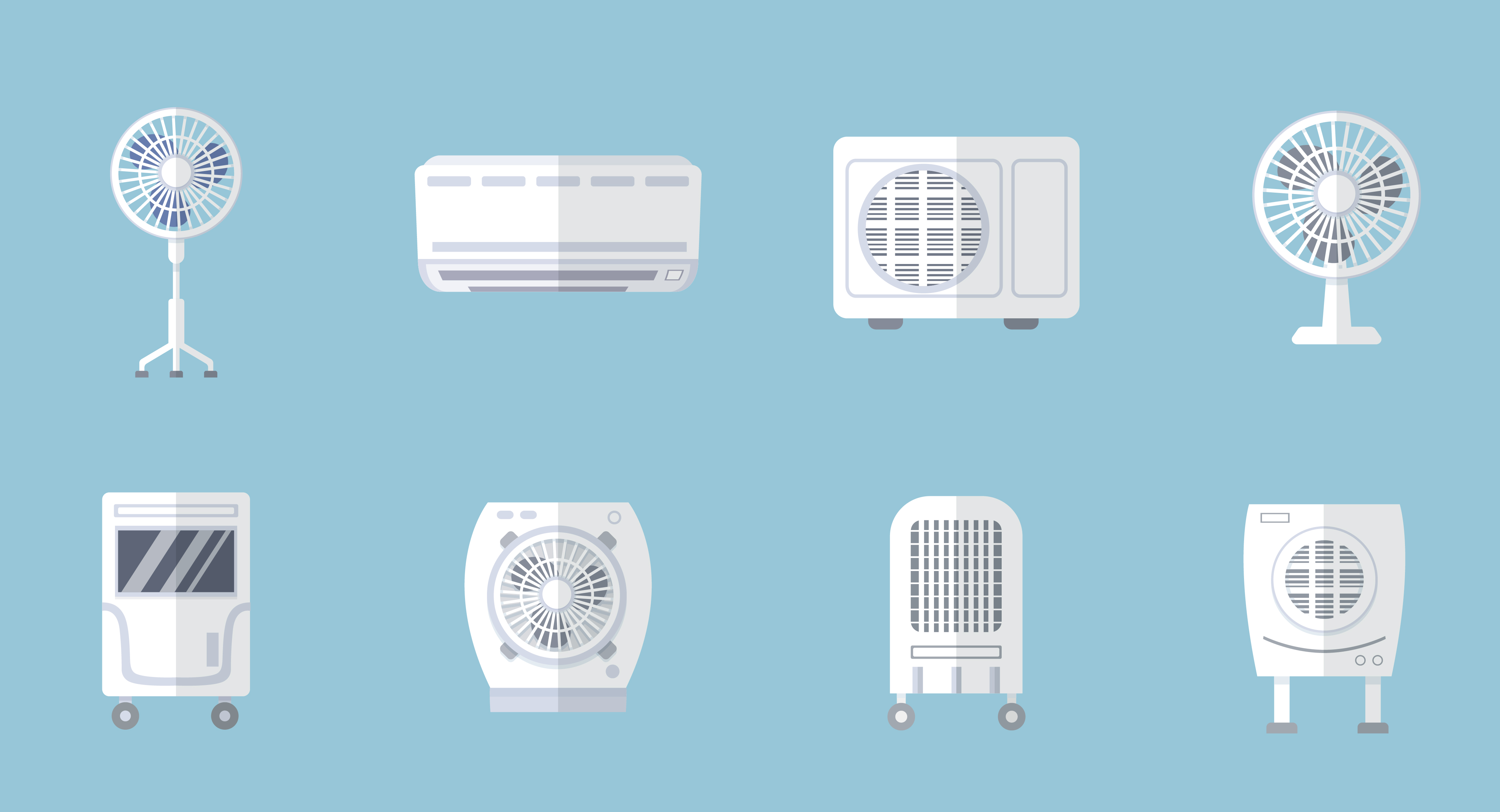
Any standing water in the house can be a breeding ground for mould. Also, make sure you have adequate ventilation in all rooms, especially those with high humidity, such as bathrooms and kitchens. The air exchanger should also be working properly, used properly and regularly maintained according to the manufacturer’s instructions. Also have your air ducts cleaned. If they are clogged, they will not function optimally and will not be of much help in controlling mould growth.
If you have the slightest doubt about the presence of mould inside your home, don’t hesitate to call professionals who can advise you on how to quickly resolve the situation. Your health and that of your family are at stake.
Having clean air ducts is essential to your quality of life and the health of your entire family. It can be difficult to judge the quality of your indoor air and we don’t always know what influences it. One question that comes up regularly is how often to clean the air ducts. The following blog post will attempt to answer this question so that you can breathe the cleanest indoor air possible.
When to clean

If we are talking about forced air heating systems that are connected to furnaces, it is recommended to have the ducts cleaned every 3 to 5 years maximum. he same frequency applies to air exchanger ducts. Proper cleaning will help maintain optimum air quality while keeping the unit operating at full efficiency. However, there are various factors that could reduce the time between cleaning. The number of occupants in your home influences the frequency of cleaning, the more people you have living with you, the more often you need to clean. The same is true if you have pets. On the kitchen side, if you don’t have a ventilation hood you will need to have your air ducts cleaned more often. Finally, if you or a member of your family has a smoking habit, this is also a factor that significantly reduces the time between cleaning.
In addition to these day-to-day aspects, there are certain events that should prompt you to have your air ducts cleaned. For example, major renovations that may have generated a large amount of dust. It goes without saying that a thorough cleaning is required as soon as the work is completed.
As for bathroom vents and kitchen hoods, they don’t need to be cleaned as often and their appearance is a good indicator of what’s inside the ducts and whether or not they need to be cleaned.
Cleaning the ducts
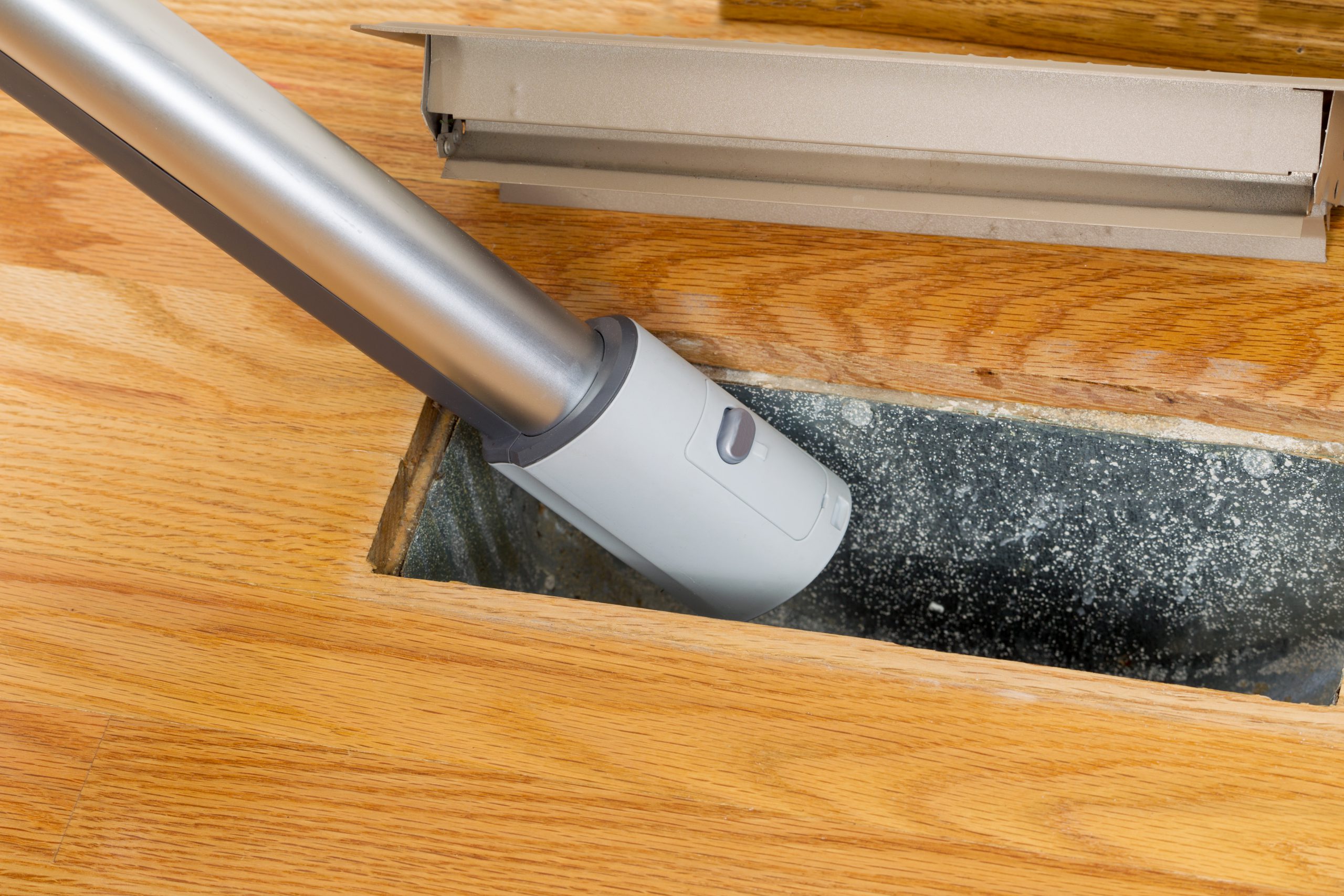
There are a few things you can do to reduce the amount of dust that accumulates when the ducts open. For example, you can remove the grills and run the hose of your vacuum cleaner over the duct opening. Of course, this type of cleaning is not complete. To effectively clean all return and supply air ducts, you need to rely on professionals who have the equipment to do the job.
If you have any doubts about the cleanliness of your air ducts, don’t hesitate to contact the professionals. They will be happy to answer your questions and provide you with a quote that meets your needs. The quality of your indoor air requires regular maintenance of your air ducts. Your health and that of your family are at stake.
Summer pollen allergies or “hay fever” as it is commonly called, can have a significant impact on allergy sufferers and those with respiratory conditions including asthma. Ensuring that you have a high quality of indoor air is an important step to easing the symptoms and helping everyone breathe easy during periods with high pollen counts.
And that’s where we come in!
As your Ottawa and Gatineau clean air specialists, the team here at Solution D’Air will share some tips for how to keep pollen out during hay fever season so that even those with the most severe summer allergies can enjoy the season. If you have questions about your indoor air, don’t hesitate to reach out – we’re here to help!
What Is a Pollen Allergy?
Pollen is a fine, dry dust which is released each spring, summer and fall from plants to travel in the wind and fertilize other plants of the same species. Different types of trees, weeds and grasses follow their own pollination schedules which can often overlap and make it seem like a never-ending cycle of green and yellow powder on our cars, patios, and in our noses.
Common allergenic pollens in the Gatineau, Ottawa and Outaouais region include:
- Alder (March-June)
- Ash (April to June)
- Beech (April to June)
- Birch (March to June)
- Cedars, Junipers and Yew (March to June)
- Chestnuts (May to July)
- Elm (April to May)
- Grasses (May to October)
- Hemlock (May to June)
- Hickory (May to June)
- Maple (March to May)
- Nettles (June to September)
- Oak (April to June)
- Pine, Fir and Spruce (April to July)
- Plantains (June to October)
- Poplar, Cottonwood and Aspen (March to May)
- Ragweed (July to October)
- Sagebrush (July to October)
See what we mean by never ending cycle? Our region is rich with diversity in its trees, grasses and plants, and with that comes a very long pollen season each year. For those with seasonal allergies, taking steps to ensuring high quality indoor air is especially important.
Symptoms of a pollen allergy include:
- runny nose and mucus production
- sneezing
- itchy nose, eyes, ears and mouth
- stuffy nose (nasal congestion)
- red and watery eyes
- swelling around the eyes
Once pollen has been introduced into your home, whether transferred from shoes, clothing, pets or through open windows, it can remain on floors, carpets, bedding and surfaces for extended periods of time and cause these symptoms to last even longer. Taking extra precautions to house clean and filter your air will go a long way to minimizing these symptoms.
Filtered Indoor Air – the best defence against pollen
The best defence against seasonal pollen when indoors is by using a HVAC or ductless air conditioner to filter out any pollen dust that makes its way into the home. By keeping windows closed and relying on your system’s filter to capture the small particles of pollen, allergy sufferers are able to reduce their symptoms. Some homeowners opt for higher quality and hypoallergenic filters during peak pollen season to increase their level of protection.
Remember: it is important to change your HVAC air conditioner or furnace filter, and clean your wall-mounted air conditioner on a regular basis during pollen season so that it doesn’t become clogged and make your motor work harder than it should.
Other DIY ways to keep out pollen
In addition to running your clean air conditioner during allergy season, there are a number of other simple things you can do to help reduce the amount of pollen in your home. By taking these easy steps, you can help to maintain the high quality of your indoor air created by your HVAC and wall-mounted ductless air conditioner.
5 tips improving your indoor air quality by reducing pollen:
- Shower and fully shampoo your hair before bed to remove any pollen that you’ve collected throughout the day and keep your bedding pollen free.
- Wash bedding in hot, soapy water once a week.
- Keep pets indoors or limit close contact with them if they’ve been outside on high pollen count days. .
- Immediately change out of outdoor clothes when entering your home. Launder them before putting them away or wearing them again.
- Dry your clothes in a clothes dryer, not on an outdoor line on days with a high pollen count.
Trust the professionals
If you are ready for some outside help to improve your indoor air quality to reduce summer allergies, please contact us. We can help assess the main reasons for poor indoor air quality in your home and offer solutions to help you and your family breathe easier. We serve the Gatineau, Ottawa and Outaouais region for residential, commercial and industrial clean air needs.
Choosing the right indoor temperature throughout the year, especially in areas with extreme climate differences like Gatineau can be a real balancing act. Not only do you have to balance the personal preferences and tolerances of each member of your household, most homeowners are also trying to balance their monthly energy usage and energy bills.
In this post, the clean air, and cool air specialists at Solution D’Air in Gatineau share some tips and tricks for finding the right temperature of your home during hot weather to keep you comfortable, and your energy bills within reason.
The ideal indoor summer temperature
While there may not be a magic number to satisfy all tastes and preferences, it is commonly recommended to cool your home to between 24-27ºC when at home, and set to 28ºC when the home is going to be unoccupied for more than four hours. It is also highly recommended that the HVAC system be shut off completely when the home is going to be unoccupied for more than 24 hours.*
At first glance, many homeowners think that maintaining an indoor temperature of 24-27ºC in the summer is too warm. But it’s important to remember that it’s not just the temperature that makes us feel uncomfortable – humidity plays a strong role in making hot, humid days unbearable for some. With this in mind, simply running the air conditioner, whether it’s a wall-mounted system, window unit, or forced-air HVAC system, removing the humidity within your home will make a dry 24-27ºC feel much more comfortable than a humid 24-27ºC.
How to Help your AC cool more efficiently
While you could certainly set your thermostat to the temperature you want and let the HVAC or air conditioner do all of the work, there are a number of simple steps to take to help you keep your house cooler without burdening your air conditioner and emptying your wallet.
By implementing some, or all of these tips, you will help to make your home feel even cooler without using more energy and spending more money on your air conditioner. Here are 10 simple ways to help cool down your home during humid summer weather:
10 Tips for a cooler home
- Run the AC minimally just to remove humidity – by setting the air conditioner at 27ºC or even 28ºC (with the windows closed, of course) you will be removing the humidity in your home. Adding in the other tips below will then make your home feel more comfortable without high energy bills.
- Use ceiling fans to keep the air circulating and help your body to self-regulate easier. Important: make sure that your fan blades are rotating counter-clockwise in the summer to push air down onto your body. In the winter, blades should rotate clockwise to draw heat back up into the room.
- Run the fan of your HVAC to draw up cool air from the basement. Even if you do not have the air conditioner on, you can run the HVAC fan by setting it to “on” instead of “auto”. This will circulate the air in your home through the air vents and cold air returns. Taking advantage of the naturally cooled air in the basement can be a real boost to your indoor comfort while saving on the cost of full air conditioning.
- Cold air falls. To keep the cold air on the upper levels of your home where it is most likely the warmest, close the door to your basement and seal or close the air vents in your basement so that you’re not cooling an already cool space.
- Keep the cool air in, and the hot air out by sealing cracks and crevices around your windows and door with fresh caulking or weatherstrips.
- Keep air circulating easily by opening all interior doors (except for the basement).
- Close curtains to block out direct sunlight, especially southwest-facing in afternoon and evening.
- Open your home up by opening the windows whenever the air is cooler outside, especially in the evenings, overnight, and early in the morning. Close them up as soon as the outdoor air heats up.
- Swap out your heavy winter bedding for lighter summer sheets and blankets. And PJs!
- Limit the use of heat-producing appliances during the heat of the day. Try to cook, do laundry, clean, etc. during cooler hours and when you can have the windows open to help move out the heat.
Striking the perfect balance of comfort vs. energy consumption in your home is easy to achieve with a little effort. Try some of the heat-busting tips above in combination with setting your air conditioner to the ideal 24ºC to 27ºC zone during the hottest summer days.
And when it’s time to clean your air conditioner or ducts, reach out! The team here at Solution D’Air can help your cool air flowing cleanly this summer with our services including:
- Cleaning ventilation systems (furnace, air exchanger, heat pump, roof unit and fresh air supply)
- Cleaning air ducts
- Cleaning exhaust ducts of all kinds
- Wall-mounted air conditioner cleaning
- Filter replacement
We serve the Ottawa and Gatineau regions with bilingual service. Trust the Solution D’Air team for your indoor air and breathe easy this summer.
*sources Canadian Office of Energy Efficiency (OEE) and Ontario Ministry of Energy (OME).

# RBQ : 5739-7259-01






Tel.: 819-815-1700
